
The Rise of Video Podcasting: Why Your Show Needs to Be Everywhere This Year
- kanmmusicpub
- Jul 31, 2025
- 6 min read
The Video Podcasting Revolution Is Here
Remember when podcasts were just audio files you'd download to your iPod? Those days are long gone. We're now witnessing a seismic shift in how creators and audiences approach podcasting, with video emerging as the undeniable game-changer.
The numbers don't lie: a whopping 51% of Americans aged 12 and older have watched a video podcast, with 26% tuning in weekly. That's not just impressive—it's transformative. And if your show isn't embracing this visual evolution, you're potentially missing out on millions of viewers.
At CTR Media Network, we've been tracking this shift closely, helping creators pivot from purely audio experiences to dynamic, multi-platform visual content that resonates with today's audiences. But why exactly is video changing everything, and why does your show need to be everywhere? Let's dive in.
Why Video Is Revolutionizing the Podcast Experience
The Visual Connection Factor
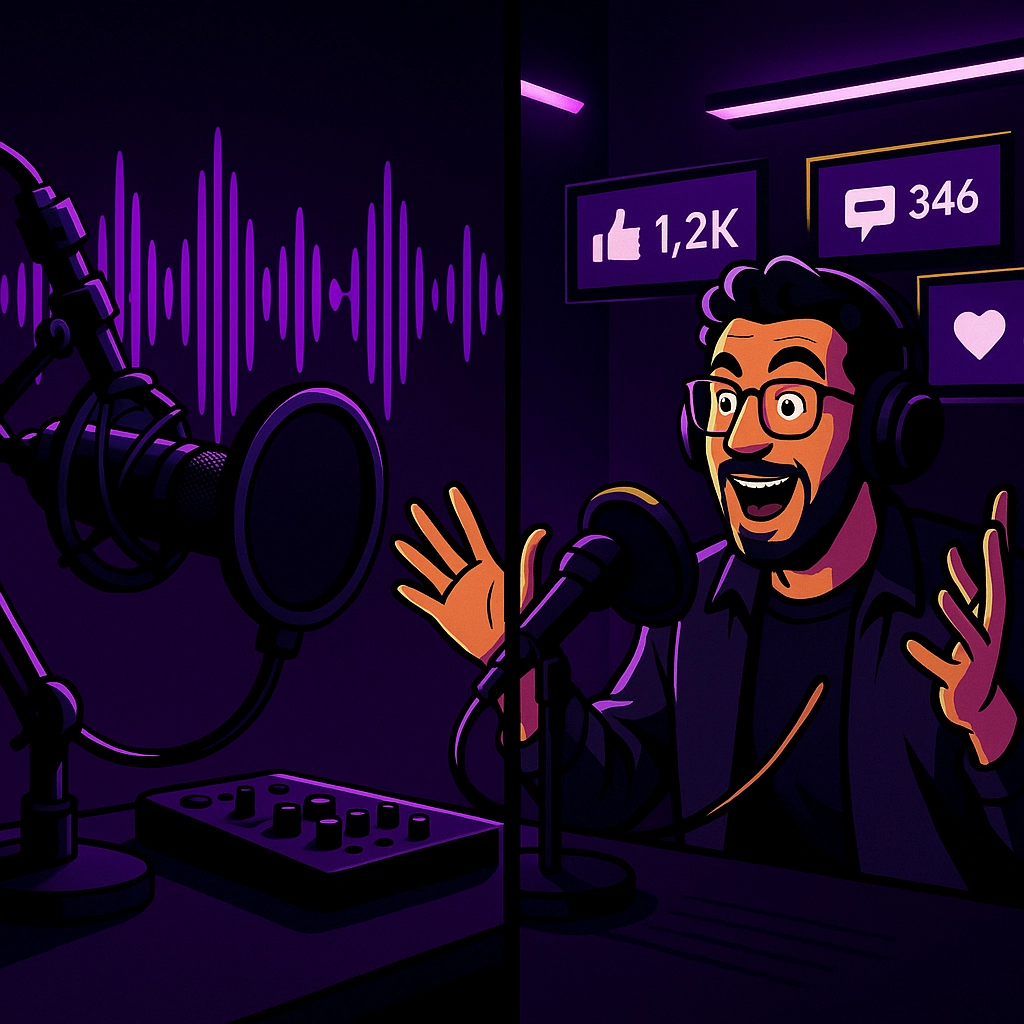
Humans are visual creatures—we process images 60,000 times faster than text. When listeners can see your facial expressions, studio setup, and the connection between hosts and guests, they form stronger emotional bonds with your content.
"Seeing my favorite podcasters actually laugh together or react to a story adds this whole other dimension," says Marie Chen, a podcast fan who recently switched primarily to video formats. "It's like the difference between reading text messages from a friend versus having a video call with them."
This visual connection translates directly to engagement metrics. Video podcast consumers are 42% more likely to increase their listening time compared to just 28% of audio-only listeners. They're also significantly more likely to:
- Share clips on social media
- Subscribe to channels
- Join communities around the content
- Support creators financially
Capturing the Next Generation of Listeners
Perhaps the most compelling reason to embrace video is demographic: younger audiences simply expect it. Gen Z listeners are 28% more likely to prioritize video formats over audio-only content, making video essential for future-proofing your podcast.
The data also reveals something fascinating about audience diversity. Video podcasts attract substantially more diverse audiences, including Black and Asian listeners, than traditional audio-only formats. As the podcasting landscape grows more competitive, tapping into these expanding audience segments gives video podcasters a significant advantage.
The Multi-Platform Imperative: Why Being Everywhere Matters
The Fragmented Attention Economy
Today's media consumption isn't just about quality—it's about accessibility. Your potential audience is spread across numerous platforms, each with their own consumption habits:
Platform | Share of Podcast Listens | Primary Advantage |
YouTube | 24% | Largest discovery engine for new content |
Spotify | 23% | Seamless audio-visual integration |
Apple Podcasts | 16% | Dedicated podcast audience |
Instagram/TikTok | Growing rapidly | Short-form virality potential |
"The most successful podcasters we work with at CTR Media Network have stopped thinking in terms of 'either/or' and embraced 'yes, and' when it comes to platform strategy," explains our head of content distribution. "They recognize that different platforms serve different purposes in their overall growth strategy."
The Discoverability Advantage
Let's talk about the elephant in the room: YouTube. With its status as the second-largest search engine in the world (behind only Google), YouTube has become the primary discovery vehicle for podcasts, claiming 24% of all podcast consumption.
The algorithm advantages are clear. Video podcasts:
- Appear in more recommendation feeds
- Benefit from thumbnail clickability
- Can be discovered through multiple entry points (topic searches, recommendation engines, playlist inclusions)
- Allow for timestamped comments that drive engagement
"Before we added video, our growth was steady but slow," shares podcast host Marcus Johnson. "After launching on YouTube with the same content we were already producing for audio, our discovery rate tripled in just three months."
Strategic Content Repurposing: Maximum Impact, Minimum Effort
The beauty of modern video podcasting lies in its efficiency. With the right approach, you can create once and distribute everywhere, maximizing your return on investment.
The Content Multiplication Effect
A single 60-minute podcast episode can generate:
- Full-length video for YouTube
- Audio-only version for traditional podcast platforms
- 5-10 short clips for TikTok, Instagram, and Twitter
- Pull quotes and audiograms for LinkedIn and Facebook
- Blog posts from transcripts for SEO benefits
- Newsletter content highlighting key moments
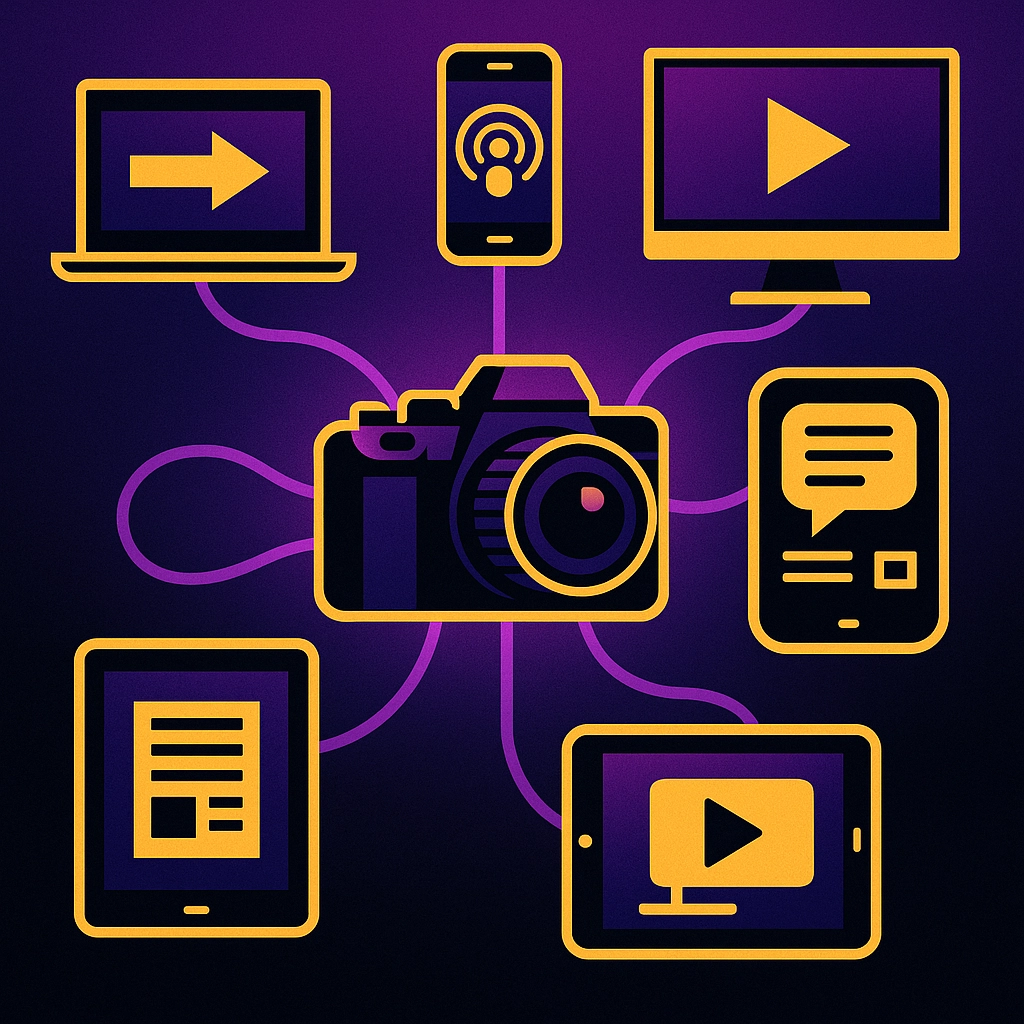
This multiplication effect means each recording session can fuel weeks of content across every platform where your audience spends time.
Dynamic Visual Optimization
Simply filming your podcast recording isn't enough anymore. Today's most successful video podcasts incorporate:
- Multiple camera angles for visual variety
- B-roll footage to illustrate stories
- On-screen graphics for key points
- Visual aids and demonstrations
- Environment design that reinforces branding
"We invested about $2,000 in basic lighting, cameras, and backdrop design," notes podcast host Samantha Rivera. "That investment paid for itself within two months through increased Patreon subscribers who discovered us through YouTube clips."
Monetization Amplification: More Platforms, More Revenue
The financial case for video podcasting is compelling. Video podcast consumers demonstrate stronger monetization potential across every revenue stream:
Advertising Enhancement
Three in five listeners report stronger trust in video-delivered host-read ads. Why? They can see the authentic reactions, product demonstrations, and visual storytelling that audio alone can't provide.
Brands are noticing this difference too, with video podcast ad rates commanding 30-50% premiums over audio-only equivalents for comparable audience sizes.
Diversified Revenue Opportunities
Beyond traditional advertising, video podcasts open new monetization avenues:
- YouTube ad revenue sharing
- Channel memberships and Super Chats
- Merchandise visibility (viewers can see your branded products)
- Sponsored visual product placements
- Premium video content for subscribers
"Our revenue diversification changed dramatically after adding video," reports podcast network founder James Lin. "We went from 80% reliance on traditional podcast ads to a much healthier mix where no single revenue stream accounts for more than 35% of our income."
Getting Started: Practical Steps for Video Podcast Success
Ready to take your podcast visual? Here's how to begin without overwhelming yourself:
1. Start Simple, Then Iterate
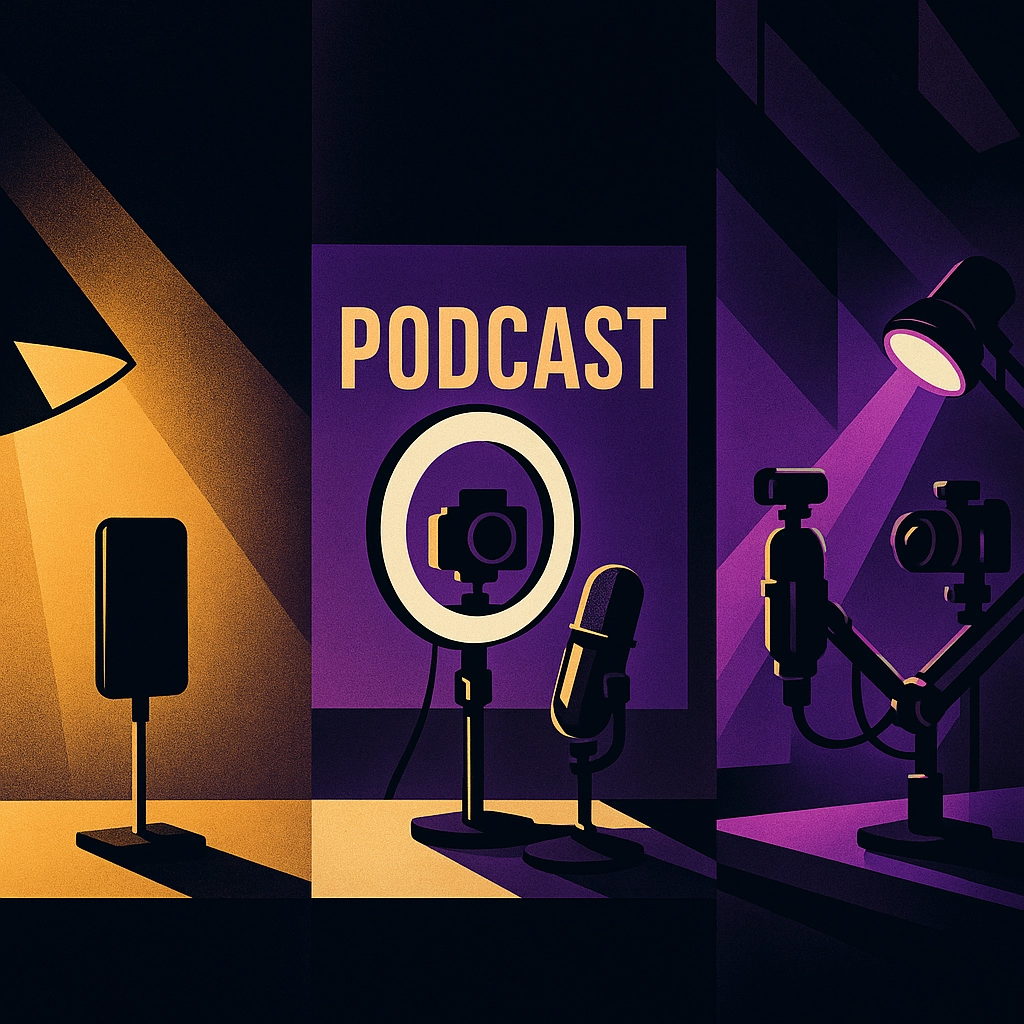
Don't feel pressured to create a professional studio overnight. Many successful video podcasts began with simple setups:
- A single camera (even a good smartphone can work)
- Basic ring lighting
- Simple, branded backdrop
- Quality microphones (audio still matters!)
As your show grows, you can reinvest in more sophisticated equipment and setups.
2. Optimize for Platform-Specific Consumption
Each platform has different audience expectations:
- YouTube: Longer-form content with chapters and timestamps
- TikTok/Instagram: 30-90 second highlight clips with captions
- LinkedIn: Thought leadership moments with context
- Twitter: Shareable quotes and reactions
3. Design for Visual Interest
Even with limited resources, consider:
- Camera framing that captures reactions
- Simple visual aids for complex topics
- Dynamic movement (switching angles or zooming on key points)
- Visual branding elements that reinforce your identity
Case Study: From Audio-Only to Multi-Platform Success
When the "Business Breakthrough" podcast decided to add video after five years as an audio-only show, they were hesitant about the potential return on investment. Their journey provides valuable lessons:
Month 1-3: Simple video recording added to existing setup, posted to YouTube without much optimization. Result: 15% audience growth.
Month 4-6: Began creating platform-specific clips, improved lighting and camera angles. Result: 40% audience growth, 22% increase in sponsor inquiries.
Month 7-12: Fully optimized multi-platform strategy with dedicated editing resources. Result: 127% audience growth, revenue increase of 85%.
"The most surprising outcome wasn't just the numbers," shares the host. "It was the depth of connection with our audience. People who watch our episodes engage differently—they remember more, share more, and connect more deeply with our content."
The Future Is Visual and Everywhere
As we look toward the future of podcasting, one thing is clear: the medium is increasingly visual, and distribution is increasingly fragmented. The podcasters who will thrive in this environment are those who embrace both these realities.
At CTR Media Network, we're committed to helping creators navigate this evolving landscape. Whether you're just starting your podcasting journey or looking to expand an established show, embracing video and multi-platform distribution isn't just an option—it's becoming essential.
The good news? There's never been a better time to make the leap. The tools are more accessible, the audiences are eager, and the potential return on investment has never been greater.
Your voice deserves to be heard—and now, seen—everywhere your audience spends their time. The question isn't whether you should embrace video podcasting, but how quickly you can get started.
Ready to transform your podcast into a multi-platform visual experience? Visit our podcast services page to learn how CTR Media Network can help you capture the video podcasting opportunity.



Comments